Transport plays a central role in daily life across France’s major cities. Paris, Marseille, Lyon, Toulouse, Bordeaux and Lille support millions of journeys every day, with residents juggling metro, bus, tram and car trips to get to work, school or leisure activities. Dense urban environments and pressure on infrastructure make these journeys complex at times, and optimising transport networks has become a key priority for city authorities. Urban mobility plans aim to reduce congestion, cut pollution and promote gentle modes of travel, yet users still face traffic jams and frequent delays.
To meet these challenges, cities are investing in innovative solutions such as bike‑sharing schemes, electric scooters and car‑pooling apps. These alternatives help lower carbon footprints, improve air quality and offer greater flexibility.
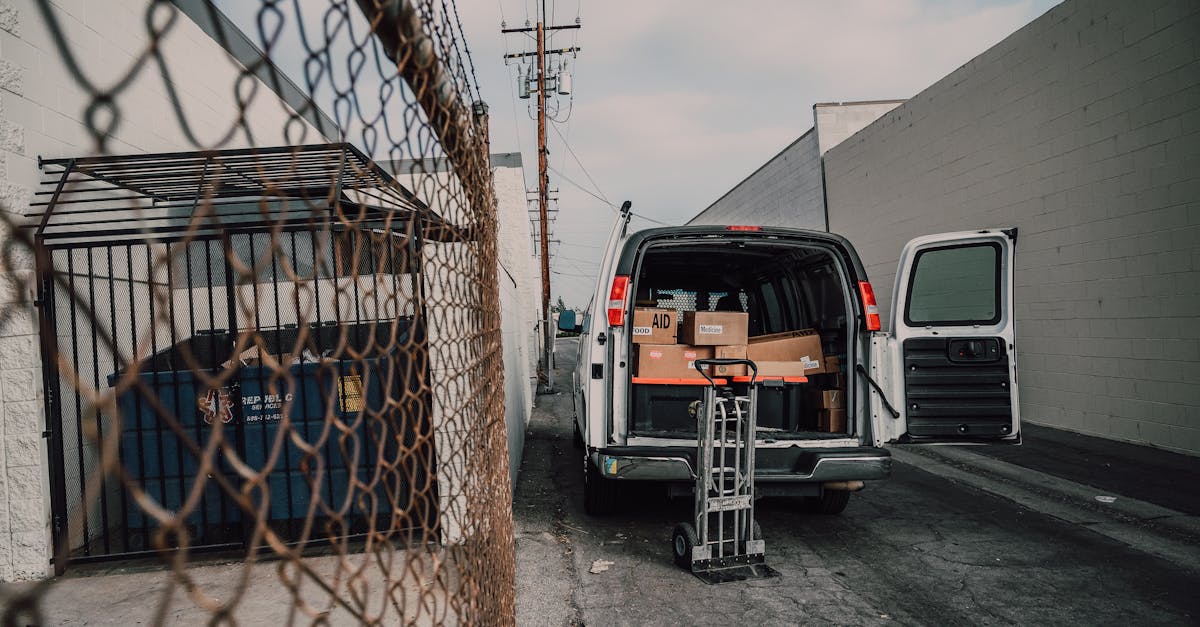
Photo : Transport à votre ville — illustration / Askaide
However, a successful shift towards sustainable mobility also requires behavioural change. People need to learn how to combine public transport with personal modes of travel, plan their routes and choose options suited to their needs. Increasingly, city dwellers are giving up private cars in favour of public transport or soft mobility.
Each city has its own characteristics. In Paris, the RATP network operates sixteen metro lines, dozens of bus routes and several tram lines. The capital is preparing for the 2024 Olympic Games by extending its transport lines and launching the Grand Paris Express, which will serve new districts.
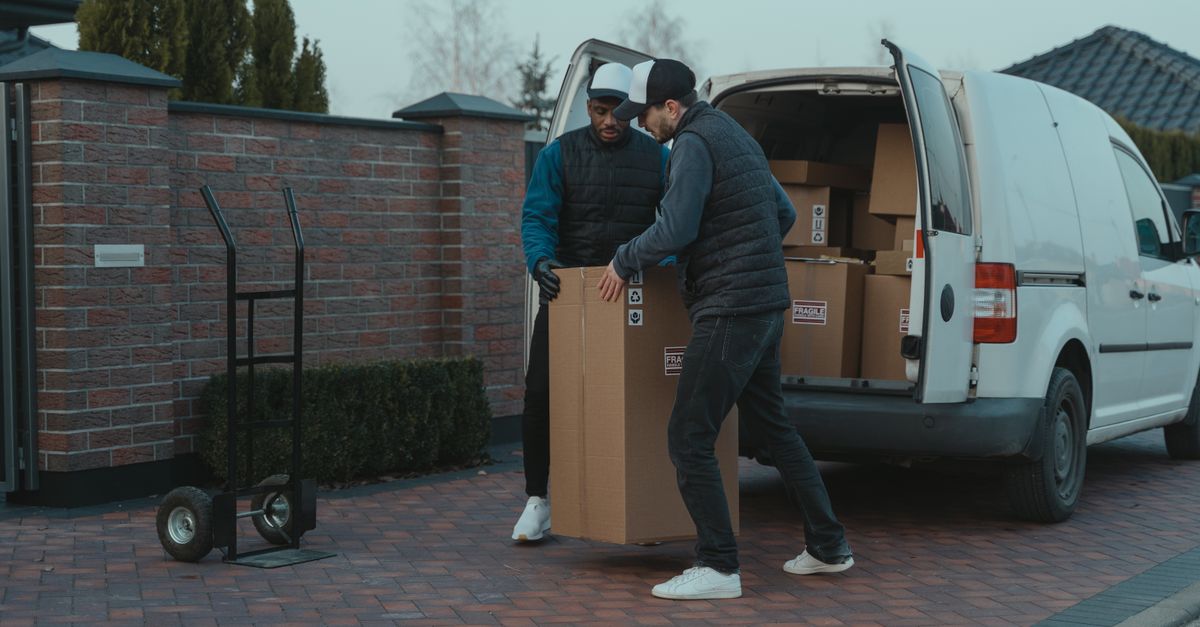
Photo : Service de Transport entre particuliers à votre ville / Askaide
In Marseille, the hilly terrain poses particular challenges; the city is investing in bus rapid transit and modernising its tram system to connect outlying neighbourhoods to the centre. Lyon, often cited as a model for mobility, combines an efficient metro, frequent trams and a highly popular bike‑sharing system. Toulouse is building a third metro line to cope with demographic growth, while Bordeaux and Nantes are expanding exemplary tram networks. These projects illustrate the determination of French metropolises to provide attractive alternatives to private cars.
Transport constraints also affect how people organise their family and professional lives. To lighten your schedule, you can arrange childcare services near your home to look after your children while you are on the move.
Photo : Professionnel Transport en intervention à votre ville / Askaide
Likewise, housekeeping services can come to your home to handle cleaning and maintenance, giving you more time for your commute or your job. Those with gardens can hire gardening assistance to take care of the yard while you are stuck in traffic. These services available through the Askaide platform complement mobility solutions by freeing up your time and simplifying daily tasks. Askaide connects individuals with competent helpers in various categories, making it easier to access one‑off or regular assistance.
User experience varies according to the mode chosen. Public transport is affordable and provides direct access to city centres, but it can be overcrowded during rush hours.
Photo : Prestataire Transport à votre ville via Askaide
Using a bicycle or scooter offers greater freedom and suits short journeys but requires safe bike lanes and appropriate parking. Private cars offer comfort and flexibility but worsen congestion and carbon emissions. More and more city dwellers are adopting a “multimodal” lifestyle, combining several means of transport depending on their needs: metro for speed, bike for the last mile, car‑sharing for bulky shopping.
Transport also ties into ecological transition. Municipalities encourage public transport use, invest in electric bus fleets and develop safe cycling paths. Low‑emission zones restrict access for polluting vehicles in city centres, pushing drivers towards hybrid or electric cars.
Photo : Trouver un prestataire Transport à votre ville / Askaide
Car‑sharing and car‑pooling initiatives reduce the number of vehicles on the road. Users can combine these options to optimise journeys and lower environmental impact. New technologies, such as integrated mobility apps, provide real‑time multimodal routes, making decision‑making easier. France’s major cities are therefore striving to balance demographic growth, economic dynamism and environmental respect.
The rise of remote working has also changed commuting habits. By reducing the need for daily commuting, remote work helps relieve pressure on public transport and improves quality of life.
However, it increases demand for home services. Platforms like Askaide address this trend by offering tailored services: IT help to set up a home office, homework help for children staying at home, delivery of groceries or meals. These services help make everyday life smoother and reduce non‑essential trips. They also support those who need assistance with daily tasks when time is short.
Going further, the cultural and economic fabric of French cities is deeply intertwined with their transport networks. Efficient transport enables residents to access employment, education and leisure opportunities across metropolitan areas.
It supports tourism by connecting museums, historic districts and entertainment venues. In cities like Paris, transport stations are themselves architectural icons; in Lyon, funiculars provide both function and heritage value. Mobility innovations such as on‑demand shuttles and autonomous vehicles, currently in testing phases, may soon redefine urban journeys. However, technology alone cannot solve all issues. Inclusive planning that considers all populations, from commuters to seniors, is crucial.
Enhancing accessibility for people with reduced mobility, ensuring safety on public transport at night, and integrating green spaces along travel corridors are part of a comprehensive approach.
In conclusion, getting around in large French cities is an ever‑evolving challenge. Choices in mobility directly influence quality of life, health and the local economy. By adopting sustainable transport solutions and taking advantage of support services offered by Askaide, everyone can improve their daily routine and save time. Whether you use the metro, bike or car, efficient planning and appropriate services help you manage your movements better. Urban transport will continue to evolve as technology and responsible behaviours advance, offering new opportunities for city dwellers concerned about their mobility and well‑being.
Share this article
Help us spread the word about Askaide by sharing this article.
We use cookies to improve your browsing, deliver personalized content and analyze our traffic. By clicking 'Accept all', you consent to our use of cookies.
We use cookies to help you navigate efficiently and perform certain features. Below you will find detailed information about all cookies classified by category.
Cookies classified as 'Necessary' are stored in your browser as they are essential for the basic functioning of the site.
We also use third-party cookies that help us analyze your use of the site, remember your preferences and offer you relevant content and advertisements. These cookies will only be stored with your prior consent.
You can enable or disable some of these cookies, but disabling some of them may affect your browsing experience.
Necessary
Always active
Necessary cookies are essential for the basic functioning of the site: secure connection, session management and consent preferences. They do not store any personally identifiable data.
Cookie
Duration
Description
laravel_session
Session
Identifies your browsing session for the proper functioning of the site.
XSRF-TOKEN
Session
Protection against CSRF (Cross-Site Request Forgery) attacks.
laravel_cookie_consent
1 year
Records your cookie consent choice.
askaide-theme
Permanent
Remembers your theme preference (light / dark).
rc::a / rc::c
Permanent / Session
Google reCAPTCHA — Protection against bots and malicious spam.
__cf_bm
1 hour
Cloudflare Bot Management — Distinguishes humans from bots.
__cfruid
Session
Cloudflare — Trusted web traffic identification.
Functional
Functional cookies enable certain features such as sharing on social networks, collecting feedback and other third-party features that enhance your experience.
Cookie
Duration
Description
country / language
Session
Remembers your selected country and language on Askaide.
__stripe_mid
1 year
Stripe — Device identification for fraud prevention during payments.
__stripe_sid
1 hour
Stripe — Secure payment processing during session.
_cfuvid
Session
Calendly — Session tracking to maintain user experience consistency.
Analytics & Performance
Analytics cookies allow us to understand how visitors interact with the site: number of visitors, bounce rate, traffic sources... They help us continuously improve site performance and content.
Cookie
Duration
Description
_ga / _ga_*
2 years
Google Analytics — Calculates visitor, session and campaign data. Anonymous unique identifier.
_gid
24 hours
Google Analytics — Stores and counts page views during a session.
_hjSessionUser_*
1 year
Hotjar — Unique identifier assigned to each visitor for statistics and heatmaps.
_hjSession_*
30 minutes
Hotjar — Current session data (page views, interactions, scrolls).
split
1 year
A/B Testing — Evaluates site changes to optimize the experience.
anonymous_id
1 year
Anonymous identifier for service usage statistics.
Advertising & Marketing
Advertising cookies are used to deliver relevant ads and measure the effectiveness of advertising campaigns. Our third-party partners may use them to build a profile of your interests and show you targeted ads on other sites.
Cookie
Duration
Description
_gcl_au
3 months
Google Ads — Advertising conversion tracking to measure return on investment.
_fbp
3 months
Meta (Facebook) Pixel — Ad performance tracking and remarketing.
IDE
1 year
Google DoubleClick — Targeted ad delivery and measurement of ad interactions.
NID
6 months
Google — Remembers preferences and information to display personalized ads.
m
1 year
Stripe — Device identification for fraud prevention and targeting.