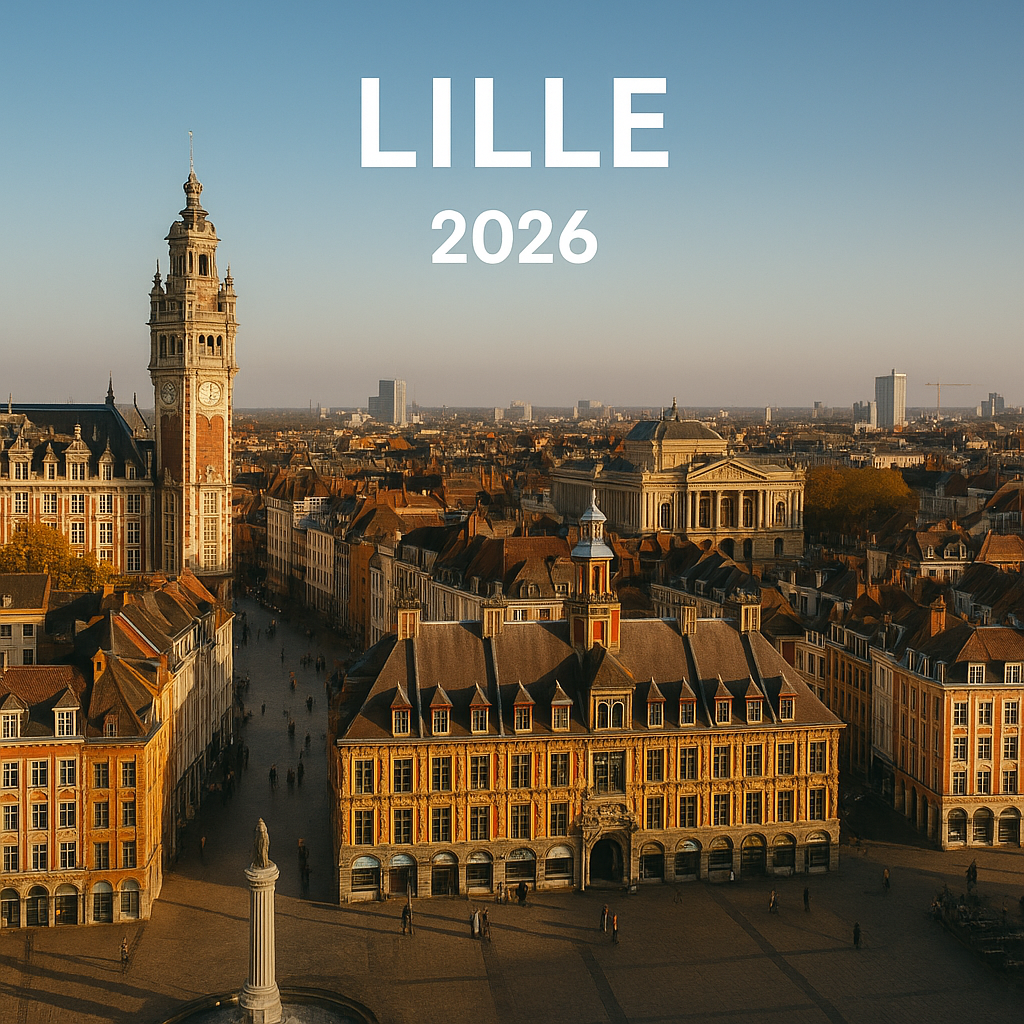


In Brussels , employment is experienced as a symphony composed of social, cultural, and economic notes. The vibrant and diverse European capital offers a horizon where individual ambitions and territorial dynamics intersect. The annual lists of "critical functions" by Actiris, the Brussels employment agency, reflect this energy. In July 2025, Actiris counted 106 so-called "critical" professions, four more than the previous year. This increase signals increased pressure on essential positions, such as masons, cooks, accountants, and receptionists. It also proves that certain sectors are struggling to recruit, and those who are able to seize these opportunities will benefit from unprecedented room for negotiation.
Brussels, land of opportunity
In a city where nearly 90,637 job seekers were registered at the end of April 2025, opportunities are plentiful. The market is driven by a diversity of sectors that collide and complement each other: construction and building are seeking site managers and skilled laborers; occupational therapy and nursing assistants are in short supply; finance is recruiting accountants; the hospitality industry is demanding creative cooks; and digital technology continues to grow. The job quality barometer published by the Brussels Institute for Statistics and Analysis (BISA) highlights the importance of personal services and digital technology. More than ever, Brussels is positioning itself as an economic hub where everyone can find their way.
Top recruiting professions (Actiris 2025)
Occupational therapy, accounting, site management, home care, and financial analysis are among the critical functions. A profession like home help often meets several shortage criteria: difficult conditions, fragmented schedules, and modest pay. This paradoxically translates into strong demand from employers. In this field, candidates willing to commit benefit from increased negotiating power. Similarly, jobs in construction, healthcare, logistics, and finance offer rapid career prospects.
Each job deserves a detailed profile .: for example, an accountant in Brussels earns an average of €2,800 gross per month at the start of their career, while an occupational therapist earns around €2,500. A site manager, essential on urban renovation projects, can earn more than €3,000 with experience. Caregivers receive an entry-level salary of around €2,200, which has been increased due to the labor shortage. Receptionists, often multilingual, start at around €2,400 and progress to coordination roles. The diversity of salaries reflects the gap between sectors, but each sector offers a path for advancement. Logistics or administrative managers, for example, can earn up to €4,000 with five years of seniority and fluency in several languages.
Where can you apply effectively?
Actiris remains the hub of Brussels employment. The agency offers personalized support, workshops, and professional immersion programs. Job fairs and sector-specific events allow you to meet recruiters directly and get real-time feedback. Specialized firms like Randstad or Manpower target key roles. Local HR startups post offers on platforms like HelloJobs or JobBruxelles. Professional networks (LinkedIn, Réseau d'Entraide Bruxellois) facilitate word-of-mouth and access to confidential offers. By combining these different channels, you maximize your chances.
Student jobs and temporary work
For students, temporary work is a springboard. Growth sectors include hospitality, retail, festivals, and cultural events. Agencies offer short but renewable assignments, which allow you to discover several professions in a short time. Family help and babysitting allow young people to work a few hours per week, often via networking platforms. Sectors such as events, culture, and tourism recruit during school vacations and holiday periods.
Application Checklist
Your CV must be clear and bilingual (FR/NL). A tailored cover letter highlights your motivation and your knowledge of linguistic duality. For IT or finance jobs, English is a plus, sometimes a requirement. Don't forget to add your certifications (BA4/BA5 in electricity, first aid certificate, B driving license, language certificate). Highlight your volunteer experience and your soft skills: adaptability, communication, teamwork. In a competitive market, these assets make the difference.
Local FAQ
Do I need to speak Dutch? Yes, for certain public sector or customer contact positions. Fluency in Dutch opens many doors, particularly in administration and call centers.
Are foreign diplomas recognized?Yes, but an equivalence may be necessary. The Wallonia-Brussels Federation's equivalence service will help you have your foreign diploma recognized and determine its level compared to Belgian diplomas.
What is a service voucher? It's a system that subsidizes home services (cleaning, ironing, shopping). Service vouchers are very popular in Belgium and guarantee a fixed salary to workers while offering reduced costs to individuals.
Can I combine studies and a job? Yes, up to 600 hours per year to maintain your student status. This allows you to work without losing your tax and social benefits.
Is teleworking common in Brussels? Many companies have adopted partial teleworking. In the administrative and digital sectors, two to three days of teleworking per week are often offered. This is an advantage for balancing professional and personal life.
Conclusion
: Brussels is a crossroads. By leveraging Actiris's figures and remaining agile, you can turn market tensions into opportunities. The market is competitive but still manageable thanks to a long local pipeline combining rare skills and human proximity. The key lies in adaptability, language proficiency, and accepting challenges. Adapt your career path, apply more often, dare to move within the Brussels region, and don't hesitate to consult public bodies for free guidance. With the right strategy, Brussels can become the epicenter of your career, a fertile ground for growth and contribution to a dynamic and cosmopolitan community.
Brussels, land of opportunity
In a city where nearly 90,637 job seekers were registered at the end of April 2025, opportunities are plentiful. The market is driven by a diversity of sectors that collide and complement each other: construction and building are seeking site managers and skilled laborers; occupational therapy and nursing assistants are in short supply; finance is recruiting accountants; the hospitality industry is demanding creative cooks; and digital technology continues to grow. The job quality barometer published by the Brussels Institute for Statistics and Analysis (BISA) highlights the importance of personal services and digital technology. More than ever, Brussels is positioning itself as an economic hub where everyone can find their way.
Top recruiting professions (Actiris 2025)
Occupational therapy, accounting, site management, home care, and financial analysis are among the critical functions. A profession like home help often meets several shortage criteria: difficult conditions, fragmented schedules, and modest pay. This paradoxically translates into strong demand from employers. In this field, candidates willing to commit benefit from increased negotiating power. Similarly, jobs in construction, healthcare, logistics, and finance offer rapid career prospects.
Each job deserves a detailed profile .: for example, an accountant in Brussels earns an average of €2,800 gross per month at the start of their career, while an occupational therapist earns around €2,500. A site manager, essential on urban renovation projects, can earn more than €3,000 with experience. Caregivers receive an entry-level salary of around €2,200, which has been increased due to the labor shortage. Receptionists, often multilingual, start at around €2,400 and progress to coordination roles. The diversity of salaries reflects the gap between sectors, but each sector offers a path for advancement. Logistics or administrative managers, for example, can earn up to €4,000 with five years of seniority and fluency in several languages.
Where can you apply effectively?
Actiris remains the hub of Brussels employment. The agency offers personalized support, workshops, and professional immersion programs. Job fairs and sector-specific events allow you to meet recruiters directly and get real-time feedback. Specialized firms like Randstad or Manpower target key roles. Local HR startups post offers on platforms like HelloJobs or JobBruxelles. Professional networks (LinkedIn, Réseau d'Entraide Bruxellois) facilitate word-of-mouth and access to confidential offers. By combining these different channels, you maximize your chances.
Student jobs and temporary work
For students, temporary work is a springboard. Growth sectors include hospitality, retail, festivals, and cultural events. Agencies offer short but renewable assignments, which allow you to discover several professions in a short time. Family help and babysitting allow young people to work a few hours per week, often via networking platforms. Sectors such as events, culture, and tourism recruit during school vacations and holiday periods.
Application Checklist
Your CV must be clear and bilingual (FR/NL). A tailored cover letter highlights your motivation and your knowledge of linguistic duality. For IT or finance jobs, English is a plus, sometimes a requirement. Don't forget to add your certifications (BA4/BA5 in electricity, first aid certificate, B driving license, language certificate). Highlight your volunteer experience and your soft skills: adaptability, communication, teamwork. In a competitive market, these assets make the difference.
Local FAQ
Do I need to speak Dutch? Yes, for certain public sector or customer contact positions. Fluency in Dutch opens many doors, particularly in administration and call centers.
Are foreign diplomas recognized?Yes, but an equivalence may be necessary. The Wallonia-Brussels Federation's equivalence service will help you have your foreign diploma recognized and determine its level compared to Belgian diplomas.
What is a service voucher? It's a system that subsidizes home services (cleaning, ironing, shopping). Service vouchers are very popular in Belgium and guarantee a fixed salary to workers while offering reduced costs to individuals.
Can I combine studies and a job? Yes, up to 600 hours per year to maintain your student status. This allows you to work without losing your tax and social benefits.
Is teleworking common in Brussels? Many companies have adopted partial teleworking. In the administrative and digital sectors, two to three days of teleworking per week are often offered. This is an advantage for balancing professional and personal life.
Conclusion
: Brussels is a crossroads. By leveraging Actiris's figures and remaining agile, you can turn market tensions into opportunities. The market is competitive but still manageable thanks to a long local pipeline combining rare skills and human proximity. The key lies in adaptability, language proficiency, and accepting challenges. Adapt your career path, apply more often, dare to move within the Brussels region, and don't hesitate to consult public bodies for free guidance. With the right strategy, Brussels can become the epicenter of your career, a fertile ground for growth and contribution to a dynamic and cosmopolitan community.